

If you've been guessing at calories, cycling through diets, or trying to figure out why nothing seems to work the way it used to, you're not alone and you're not broken. Most diet advice online ignores the math behind your actual body, your weight, your training, your age, your activity level, your TDEE. The IIFYM macro calculator above gives you that math in 60 seconds. It's the same calculation framework that's helped tens of thousands of people stop guessing and start eating with structure.
This isn't a trend. IIFYM was founded in 2012 by Anthony Collova, who built the world's first macro calculator and has spent more than 15 years coaching people through fat loss, flexible dieting, body recomposition, and sustainable nutrition. Every recommendation on this site is grounded in published exercise science, peer-reviewed research, and over a decade of real-world coaching results. Your numbers are personal. Your plan should be too.
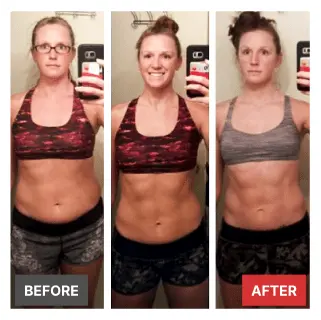
32 y/o
IIFYM has been a game-changer for me! I've lost 20 lbs while enjoying my favorite treats. Thanks to this flexible approach, I've found a sustainable way to maintain my progress.
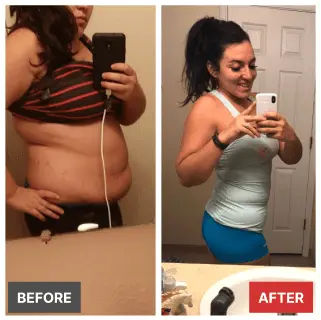
41 y/o
IIFYM's Macro Blueprint transformed my diet. I've lost 15 pounds and feel amazing! It's the most personalized program I've ever tried.
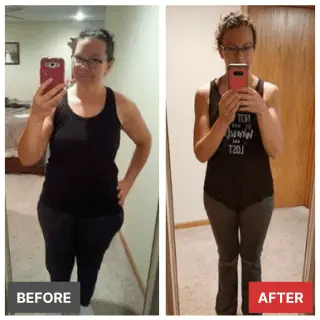
29 y/o
IIFYM made me realize that healthy eating doesn't have to be boring. It's been a delicious journey, and I've never felt better! 🥦🍔🍰

32 y/o
IIFYM is the ultimate tool in my fitness toolbox! I've reached my dream physique without restrictions. This approach has shown me that food is fuel.
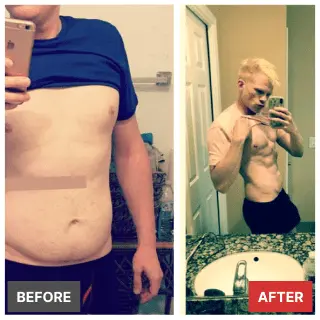
45 y/o
IIFYM turned my fitness journey around. With the help of a personalized macro plan, I've packed on muscle and lost fat. It's all about the numbers and the gains!
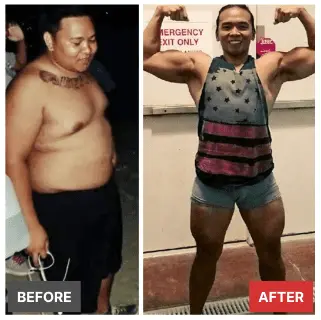
41 y/o
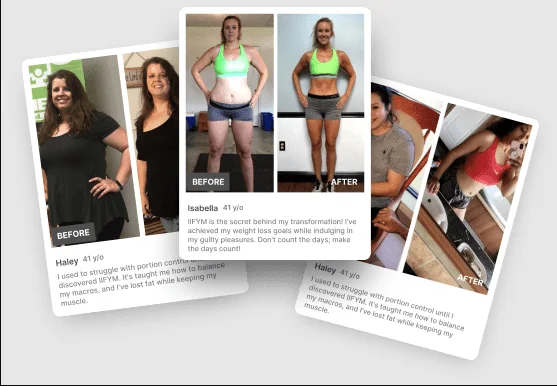
I used to struggle with portion control until I discovered IIFYM. It's taught me how to balance my macros, and I've lost fat while keeping my muscle.
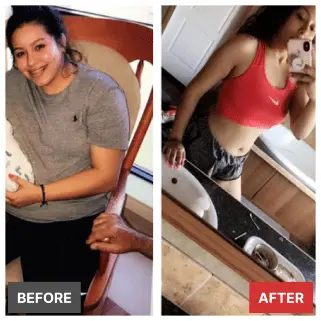
41 y/o
The 16-Week Deadline Diet helped me reach my goals. The support and coaching are incredible—I can't recommend it enough!

41 y/o
IIFYM is the secret behind my transformation! I've achieved my weight loss goals while indulging in my guilty pleasures. Don't count the days; make the days count!
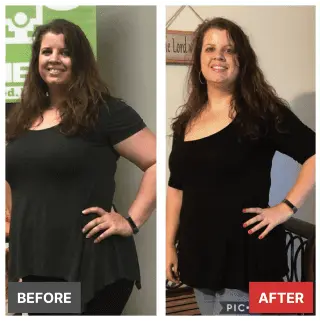
32 y/o
I never thought losing weight could be this easy. The personalized macros have made all the difference for me. Thank you, IIFYM!
Welcome to IIFYM, the original pioneers and inventors of the If It Fits Your Macros (IIFYM) diet and the modern flexible dieting movement. Founded in 2012 by Anthony Collova, IIFYM built the world's first macro calculator and helped launch macro tracking from a bodybuilding niche into mainstream nutrition.
IIFYM isn't a fad diet. It's a sustainable framework grounded in the science of macros, TDEE, and energy balance. Eat the foods you love while pursuing real goals: fat loss, lean muscle gain, athletic performance, body recomposition, or fat loss while using peptides like semaglutide and tirzepatide. No restrictive food rules. No guilt foods. No endless cardio. Just the math behind your body.
Start with our free Macro Calculator and free TDEE Calculator, then join thousands of members inside the IIFYM Macro Secrets Facebook group and build a structure you can live with.
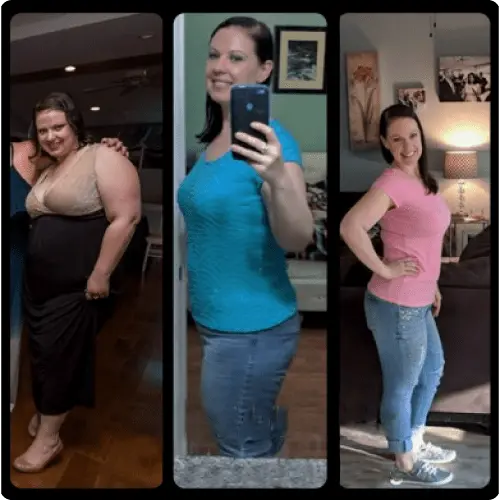
Step 1 - Get Your Macros
Use our free macro calculator to learn your unique macros based on your body weight, activity level, age, training schedule, and fat loss goals. No restrictive food rules. No eliminating the foods you love. The IIFYM macro calculator gives you a personalized starting point grounded in the math behind your real body, your real TDEE, and the lifestyle you're already living. Built by IIFYM founder Anthony Collova in 2012.
Step 2 - Log Your Food
Use a free macro tracking app like Macro Max to track your food intake and stay accountable to your daily targets. Make small, strategic adjustments week by week until you hit your macros consistently and create the calorie deficit needed for sustainable fat loss. Flexible dieting works because the math is simple, the food is yours to choose, and the structure adapts as your body changes.
Step 3 - Transform & Shine
Real change shows up in weeks when you eat with structure. You'll notice changes in your body composition, your energy, your training performance, and your relationship with food. The new version of you that's been waiting under restrictive dieting and food guilt is finally allowed to show up. Follow your personalized IIFYM diet plan and let the work compound over time. Consistency wins.
Step 4 - Live Your Best Life
Hitting your goal weight is the start, not the finish line. Once you reach your target, transition into reverse dieting and follow our framework to maintain a healthy weight without sliding back into old habits. This isn't just about weight loss. It's about owning the structure, the science, and the flexible dieting lifestyle that keeps you in control for life with IIFYM.
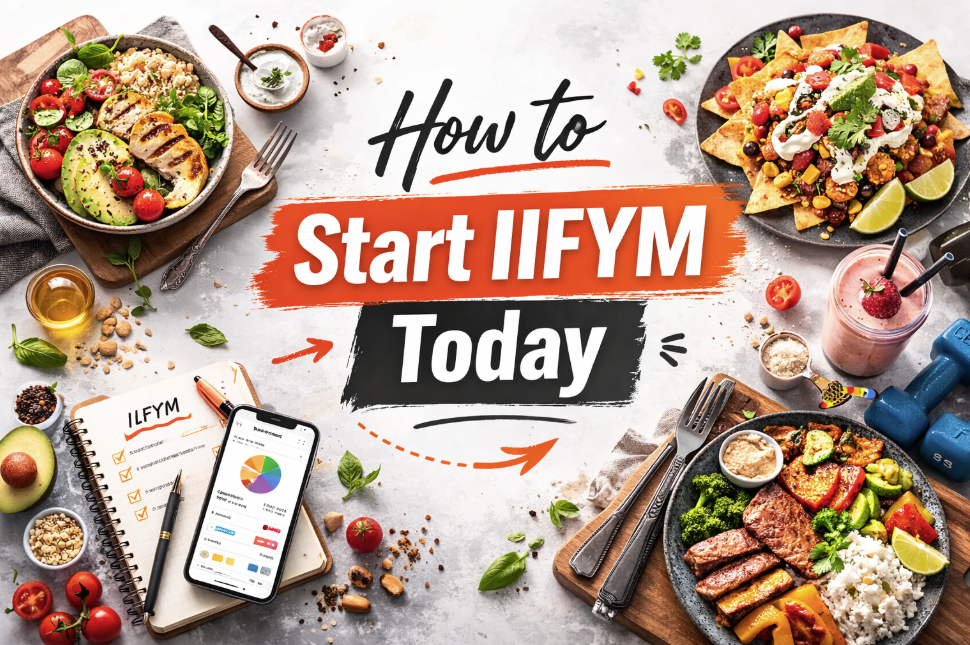
IIFYM is the original flexible dieting community, founded in 2012 by Anthony Collova and home to the world’s first macro calculator. We help you find your real TDEE, set macros that match your body and goals, and structure your nutrition whether you’re losing fat naturally, training for performance, or eating in a calorie deficit while using peptides like semaglutide. Flexible dieting isn’t a trend. It’s a fifteen-year-old framework that introduced the world to macro tracking and flexible dieting. Start with your numbers and watch your entire body change. Read More about Flexible Dieting.
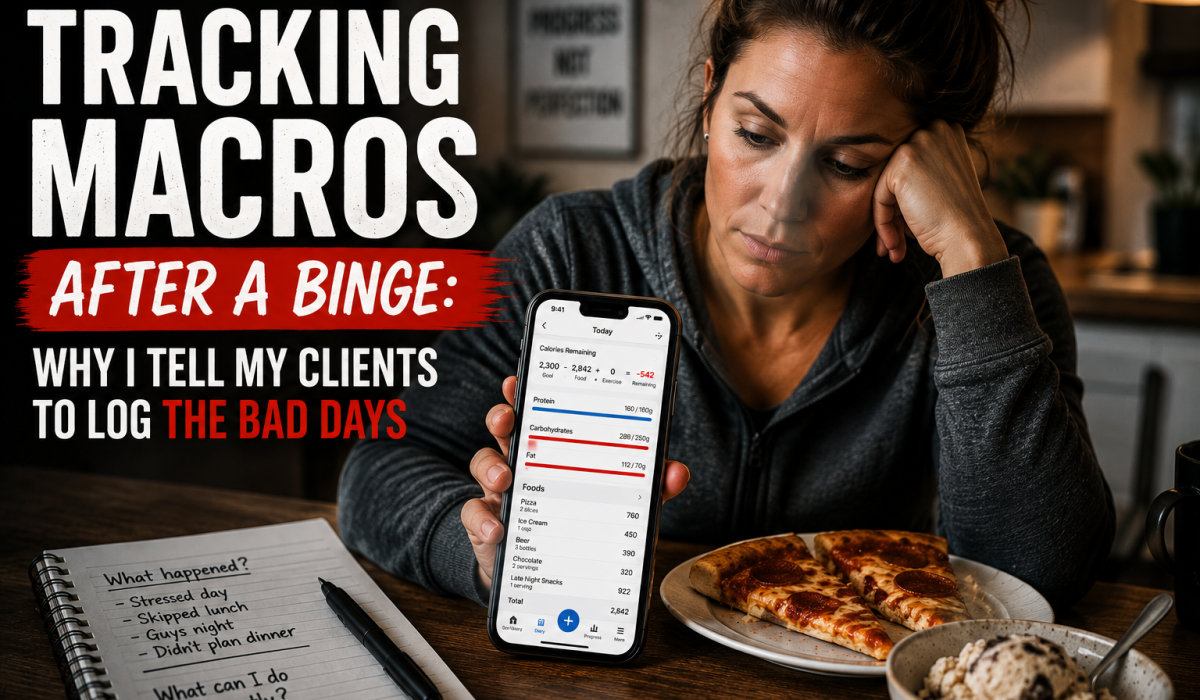
Tracking Macros After a Binge: Why I Tell My Clients to Log the Bad Days By Anthony Collova, founder of IIFYM.com and
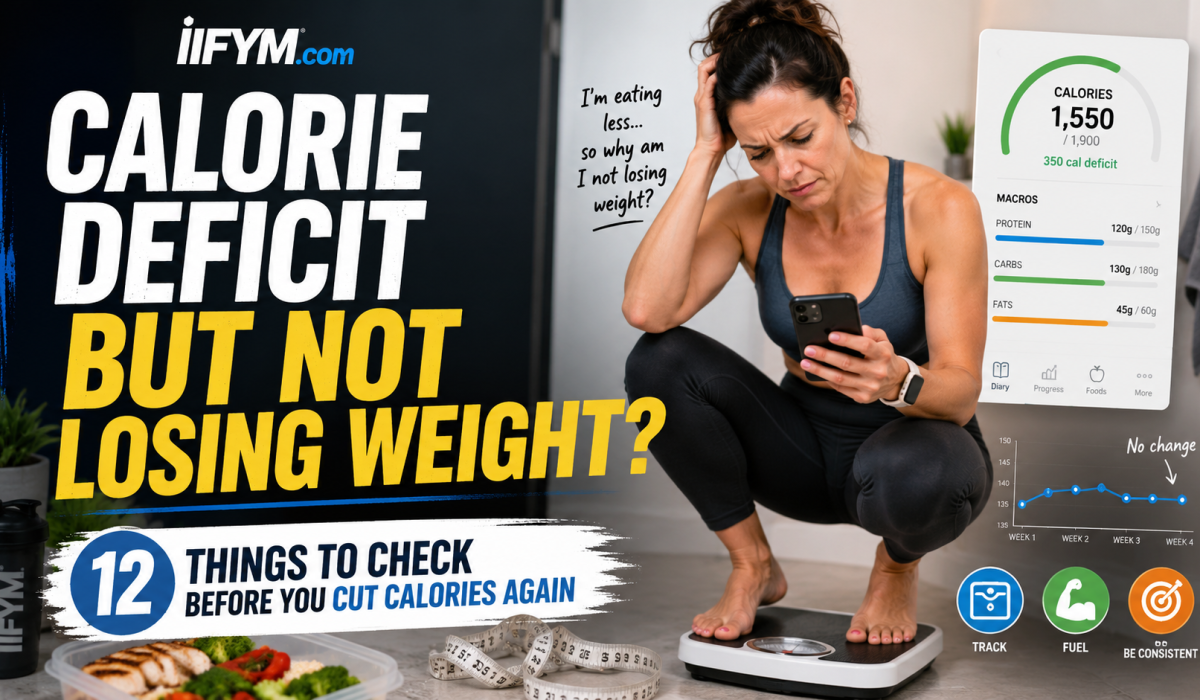
Fat Loss & Macro Coaching Why Am I Not Losing Weight in a Calorie Deficit? 12 Things to Check Before Cutting Calories
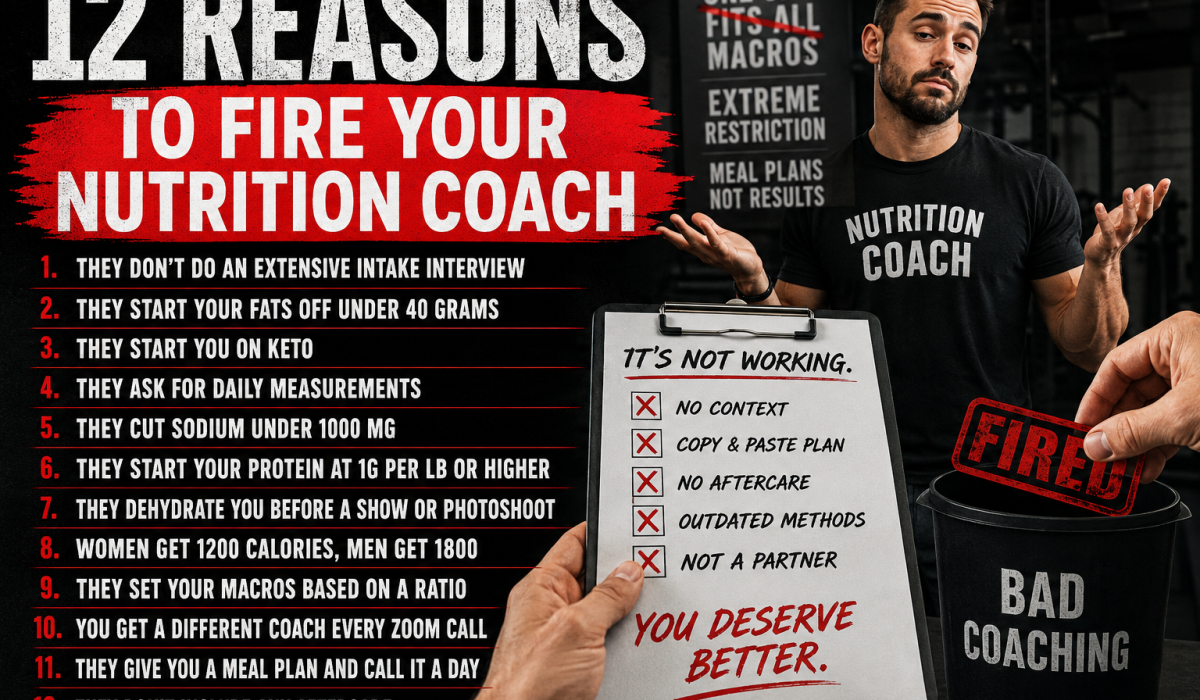
Macro Coaching 12 Nutrition Coach Red Flags: When to Fire Your Macro or Nutrition Coach If your nutrition coach blames you when
Updated: June 7, 2026 · By Anthony Collova, founder of IIFYM.com To calculate your macros for weight loss, find your total daily
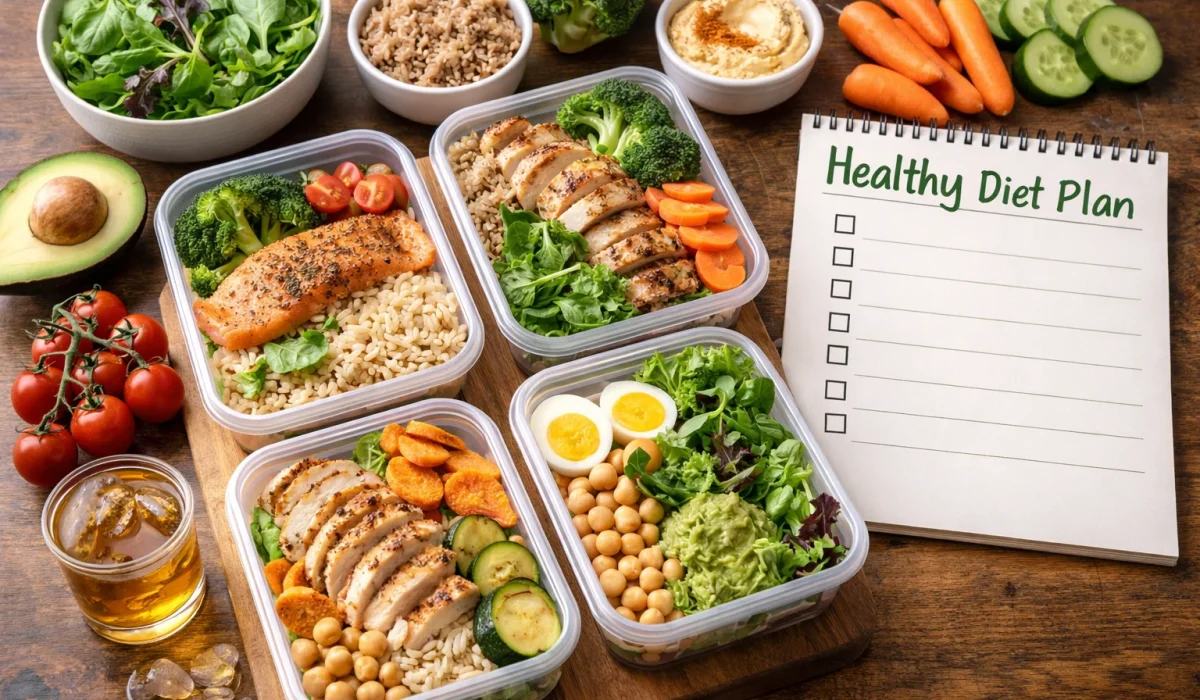

You're busy. You have a job, a family, training to fit in, meals to plan, and a hundred other things pulling at your attention. That's exactly the world Anthony Collova built IIFYM for. As the founder of IIFYM and the creator of the world's first macro calculator, Anthony designed flexible dieting plans that work around your real life instead of asking you to rebuild your life around them. Macros, TDEE, fat loss, and body recomposition without giving up the foods you love or the schedule you actually live in. Sustainable for a lifetime.
Dive deep into flexible dieting with the Macro Academy Video Course, IIFYM’s free educational library hosted on YouTube. Built by Anthony Collova, founder of IIFYM and the creator of the world’s first macro calculator in 2012, this comprehensive video series teaches you the essentials of macronutrient tracking, macro counting, fitness programming, wellness, and longevity so you can make informed food choices for life.
From beginner basics like how to track macros and understanding the difference between calories vs macros, to advanced strategies like meal planning, reverse dieting, body recomposition, cutting, bulking, and macro adjustments during fat loss plateaus, the course equips you with the tools for sustainable weight management and long-term results.
Learn how to build balanced meals around protein, carbohydrates, and fats, track your daily intake with accuracy, calculate your TDEE and macro targets, and adjust your diet as your body changes. Whether you’re losing weight, building muscle, recomposing, training for performance, navigating fat loss while using peptides like semaglutide or tirzepatide, or simply learning to eat with structure for the first time, the Macro Academy Video Course is your ultimate free resource for mastering flexible dieting and the IIFYM lifestyle.
Watch the entire course free on YouTube: Macro Academy Video Course
Revamp your enire metabolism in 4 weeks while eating more carbs and calores than you thought possible.
The 4 Week Metabolic Reset is IIFYM's new DIY coach-led program for resetting your metabolism, dialing in your macros, and building real fat loss without crash diets or 30-day challenges. Built on flexible dieting and personalized macronutrient tracking, it gives you a week-by-week roadmap based on your body, TDEE, , energy level, dieting history, medical conditions and goals. Lose fat, gain muscle, recomp, or break a plateau. Start the 4 Week Metabolic Reset at MacroSecrets.com.
Our most agressive macro coaching program
The 16 Week Deadline Diet is IIFYM's flagship coach-led fat loss program for people who do their best work on a deadline. Built around precise macro tracking, flexible dieting, and weekly check-ins, the program adjusts your macros, training, and TDEE as your body changes across all 16 weeks. You get tailored macro targets, structured meal planning, training guidance, and direct coaching support from week one through week sixteen. Apply for the 16 Week Deadline Diet and start with a real plan.
Skip the guesswork and work directly with a Certified IIFYM Coach. Our coaching team designs personalized macro plans built around your body type, metabolism, training, TDEE, and real-life schedule. This goes beyond calculating calories. It's a tailored approach to flexible dieting, macro tracking, fat loss, body recomposition, and long-term sustainability with a coach who adjusts your plan as your body changes. Apply for IIFYM Coaching and start with a structured plan instead of another guess.
29 y/o
IIFYM made me realize that healthy eating doesn't have to be boring. It's been a delicious journey, and I've never felt better! 🥦🍔🍰
45 y/o
I used to struggle with portion control until I discovered IIFYM. It's taught me how to balance my macros, and I've lost fat while keeping my muscle.
41 y/o
I never thought losing weight could be this easy. The personalized macros have made all the difference for me. Thank you, IIFYM!
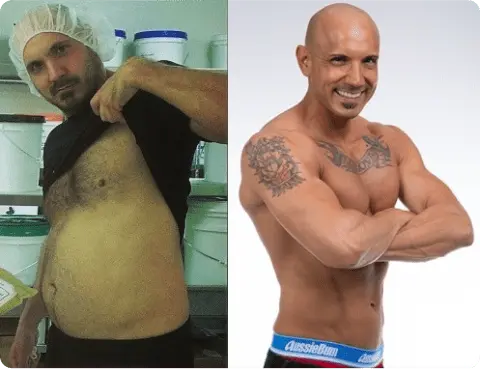
Over 10 million fitness enthusiasts have made IIFYM their choice for body transformation. From the Best Way to Lose Weight to Top Weight Loss Programs, our community has experienced remarkable transformations with macros for fat loss and muscle gain. Take a closer look at some of their impactful stories and life-changing experiences!
IIFYM has honestly changed the way I think about food. After years of restrictive diets, calorie counting apps, and cutting out everything I loved, learning to track my macros with the IIFYM flexible dieting approach finally felt like something I could actually live with. I've lost 20 lbs steadily, kept it off through holidays and travel, and learned how to eat around the foods I genuinely enjoy instead of feeling guilty about them. The free macro calculator gave me my starting point. The community kept me consistent. For the first time in my adult life, I have structure that fits my real schedule, my workouts, and my goals, and I'm not white-knuckling it. This is the first approach that ever felt sustainable.
Anthony Collova is the founder of IIFYM.com and the architect of modern macro-based flexible dieting. In 2012, Anthony built the world's first macro calculator, launching what would become the global IIFYM (If It Fits Your Macros) movement and bringing macro tracking out of the bodybuilding niche and into mainstream nutrition.
With more than 15 years coaching macro tracking, fat loss, TDEE calibration, and body recomposition, Anthony has helped tens of thousands of people transition from restrictive dieting to sustainable, science-based nutrition. He is a recognized industry expert in flexible dieting, a certified facilitator and guide, and the creator of multiple coaching programs including the 16 Week Deadline Diet and the 4 Week Metabolic Reset.
Anthony writes and speaks on macros, TDEE, fat loss, peptides like semaglutide and tirzepatide, body recomposition, and long-term metabolic health. His mission with IIFYM is simple: replace dieting hardship with structure people can actually live with.
To count your macros, start by determining your daily targets for protein, carbs, and fat based on your goals and activity levels. A good approach is to use our IIFYM macro calculator or work with an IIFYM coach.
Next, download a calorie/macro tracking app on your phone. Popular ones include Macro Tracker, LoseIt, and Cronometer. Before eating anything, log the food item and its portion size into the app. It will provide you with the macro breakdown for that food.
Make sure to track every single thing you eat and drink throughout the day. Use a food scale to weigh out portions when possible for maximum accuracy. At the end of the day, the app will total up your macro intake so you can see how close you came to hitting your targets.
It takes some practice, but counting macros gets easier over time. Stick with it and you’ll be a pro in no time! To learn more tips and tricks, read our detailed guide: How to Count and Track Macros?
To calculate your ideal macros for building muscle, you’ll want to be in a slight calorie surplus and consume enough protein. Here are the key steps:
1) Calculate your Total Daily Energy Expenditure (TDEE) using an online calculator. This estimates how many calories you burn per day.
2) Add a 10-20% calorie surplus to your TDEE. This provides the extra calories needed to build new muscle tissue.
3) Set your protein target to 0.7-1 gram per pound of body weight. Protein is crucial for repairing and building new muscle.
4) Set your fat intake to 0.4-0.6 grams per pound of body weight to support hormone production.
5) Fill the remaining calories with carbs. Carbs fuel your intense workouts and recovery.
For example, a 180 lb person with a TDEE of 2500 calories may aim for:
Calories: 2500 + 20% surplus = 3000
Protein: 180g (0.7 x 180 lb)
Fat: 80g (0.4 x 180 lb)
Carbs: 375g
To learn more, including how to adjust these targets over time, check out our full guide: How to Calculate Macros For Muscle Gain?
To calculate your ideal macros for cutting (losing fat while preserving muscle), you’ll want to be in a moderate calorie deficit while keeping protein intake high. Follow these steps:
1) Calculate your Total Daily Energy Expenditure (TDEE) using an online calculator.
2) Subtract a 15-25% calorie deficit from your TDEE. This puts you in an energy deficit to burn fat, without being too extreme.
3) Set your protein target to around 0.8-1 gram per pound of body weight. Higher protein preserves muscle while dieting.
4) Set your fat intake to around 0.3-0.5 grams per pound to provide essential fatty acids.
5) Fill the remaining calories with carbs. Keep carbs moderate to high to fuel your workouts.
For example, a 150 lb person with a 2000 calorie TDEE may aim for:
Calories: 2000 – 20% deficit = 1600
Protein: 135g (0.9 x 150 lbs)
Fat: 60g (0.4 x 150 lbs)
Carbs: 120g
Adjust calorie/macro levels every 2-4 weeks as needed. For a full macro cutting plan, read our detailed guide: How to Calculate Macros For Cutting?
Non-Exercise Activity Thermogenesis (NEAT) refers to the calories you burn through any activity OTHER than dedicated exercise sessions. This includes:
– Walking around throughout the day
– Fidgeting and spontaneous movements
– Performing chores/tasks around the house
– Having an active job that requires being on your feet
NEAT can make up a substantial portion of your total daily energy expenditure, often 15-50% depending on your lifestyle and activity levels outside the gym.
People with active jobs or who are constantly moving around burn far more calories through NEAT compared to someone who is sedentary most of the day.
Increasing your NEAT by simple strategies like taking walking breaks, doing chores, or having a standing desk can help boost your metabolism and calorie burn.
For more on optimizing your NEAT to achieve your fitness goals, check out our full guide: What is NEAT Exercise?
Flexible dieting, also known as “If It Fits Your Macros” (IIFYM), is a nutrition approach that focuses on hitting your target intake of protein, carbs, and fat, while having flexibility with your food choices.
Rather than providing a restrictive list of “good” and “bad” foods, flexible dieting allows you to make room for treats and indulgences, as long as they fit within your daily macro targets.
The core principles of flexible dieting include:
1) Tracking macros instead of just calories to ensure you hit your protein, carb, and fat goals.
2) Using macro calculations and adjustments to either lose, maintain, or gain weight.
3) Allowing any foods to fit into your diet, including “junk” foods, in moderation.
4) Focusing on developing healthy habits and nutrient-dense choices most of the time.
Flexible dieting provides balance and is sustainable long-term, preventing the cycles of restrictive dieting and binging. It’s an empowering way to build metabolic awareness.
To learn more about making flexible dieting work for you, read our full guide: What is Flexible Dieting?
While weighing and measuring food is the most accurate way to track macros, it’s not always necessary for everyone. Here’s a balanced approach:
1. For beginners: Start by weighing and measuring to understand portion sizes and macro content of different foods.
2. As you gain experience: You may develop the ability to estimate portions accurately, reducing the need for constant measuring.
3. For precise tracking: During specific phases (like competition prep or initial weight loss), weighing food ensures accuracy.
4. For maintenance: Once familiar with portion sizes, you might only need to measure occasionally to stay on track.
5. Use tools like food scales, measuring cups, and nutritional calculators to aid accuracy.
Remember, the goal is to be consistent and as accurate as possible while maintaining a sustainable approach to your diet.
Confused about whether to weigh or measure your food?
Explore the pros and cons of each method to find what works best for you.
While exercise is not strictly necessary for fat loss, it can significantly enhance and accelerate the process. The primary driver of fat loss is maintaining a calorie deficit, which can be achieved through diet alone. However, incorporating an exercise routine offers numerous benefits:
For optimal results, combine a balanced diet with regular physical activity.
Read our in-depth guide on exercise and fat loss
Tracking macros (macronutrients) offers some great benefits:
1. Nutritional balance: Ensures you’re consuming the right proportions of proteins, carbohydrates, and fats for your health and fitness goals.
2. Goal-specific optimization: Helps personalize your diet for specific goals like weight loss, muscle gain, or athletic performance.
3. Awareness: Increases your understanding of the nutritional content in different foods. So, you can make more informed choices.
4. Precision: Allows for fine-tuning your diet beyond simple calorie counting.
5. Flexibility: Enables a more flexible approach to eating while still meeting nutritional targets.
6. Progress monitoring: Facilitates tracking your dietary intake over time, making it easier to adjust as needed.
7. Preventing imbalances: Helps avoid overconsuming one macronutrient (e.g., protein) while neglecting others (e.g., carbohydrates).
To get started, use a macro calculator to determine your personalized macronutrient needs based on your age, gender, activity level, and goals. This will provide a solid foundation for optimizing your nutrition.
Yes, you can enjoy your favorite foods while tracking macros. The key is moderation and balance. Tracking macros allows flexibility in food choices as long as they fit within your daily targets. This approach, known as IIFYM (If It Fits Your Macros), focuses on overall nutritional balance rather than eliminating specific foods.
While it’s beneficial to prioritize nutrient-dense options, you can plan for treats by adjusting your other meals accordingly. This flexibility makes macro tracking a sustainable long-term approach to nutrition, allowing you to meet your health goals without feeling overly restricted.
A refeed day is a planned increase in calorie intake, typically lasting 1-3 days, within a macro-tracking diet. It mainly involves increasing your carbohydrate intake while maintaining protein and fat intake. Unlike cheat days, refeeds are controlled and strategic.
The purpose of a refeed is to temporarily boost metabolism, replenish glycogen stores, and provide psychological relief during a calorie deficit. It’s especially beneficial during intense training periods or extended fat loss phases.
Refeeds require careful planning to ensure they support your overall fitness goals without derailing progress. When implemented correctly, they can be an effective tool in a long-term macro-based nutrition plan
Adjusting macro goals should be based on consistent data trends rather than short-term fluctuations. Generally, wait 2-4 weeks before making changes to allow your body time to respond to your current macros.
Consider adjusting when:
1. Progress stalls for about four weeks
2. Your activity level significantly changes
3. Your weight loss or gain goals shift
When adjusting, focus on small, incremental changes. Increase your protein intake and adjust carbohydrates and fats as needed. If you’re unsure, consulting with an IIFYM diet coach can help optimize your macro goals.Give each adjustment time to show results before making further changes.
Yes, you can maintain muscle mass while losing weight by strategically managing your macros.
The key is prioritizing protein intake, aiming for 1.6-2.2g per kg of body weight.
Create a moderate calorie deficit of 10-20% to promote fat loss without excessive muscle breakdown.
Maintain strength training to signal your body to retain muscle.
Balance carbohydrates and fats to support energy needs and hormonal function while staying in a deficit.
Consider higher carb intake on training days to support workout performance and recovery.
And regularly monitor body composition, not just weight, to ensure you’re losing fat and maintaining muscle.
This approach, combined with consistent strength training, allows for effective fat loss while preserving lean muscle mass.
If a food isn’t in your tracking app’s database, you can add it manually.
Most apps allow you to create custom entries by inputting the food’s name, calories, serving size, and macronutrient breakdown.
For packaged foods, use the nutrition label. And for fresh or homemade items, you can estimate based on similar foods or use online nutritional databases for guidance.
Some apps also let you scan barcodes or import recipes. While it may take extra effort initially, creating custom entries ensures accurate tracking and expands your app’s database for future use.
Yes, macronutrient needs can vary based on workout types.
Endurance athletes typically require higher carbohydrate intake for sustained energy, while strength athletes may need more protein for muscle repair and growth.
High-intensity interval training (HIIT) often benefits from a balance of both.
However, these are general guidelines. Individual factors like body composition, training intensity, and personal goals also play a role.
It’s best to start with general recommendations for your workout type and then adjust based on your performance and progress.
Consider consulting a IIFYM coach for a personalized plan that aligns with your specific workout routine and fitness goals.
Yes, you can follow a macro plan with dietary restrictions. Whether you’re vegetarian, vegan, gluten-free, or have other specific needs, macro tracking is adaptable.
The key is to focus on nutrient-dense foods within your dietary parameters that meet your macro goals.
For example, vegetarians can rely on plant-based proteins, while those with celiac disease can choose gluten-free carbohydrates.
This flexibility of macro tracking allows you to customize your food choices while still meeting your nutritional targets. It may require more planning initially, but with practice, you can create a diverse and satisfying meal plan that aligns with both your dietary restrictions and macro goals. If needed, consult a nutritionist for personalized guidance.
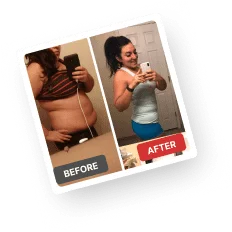

If I can YOU can!
Alanah Gonzales, 27 y/o
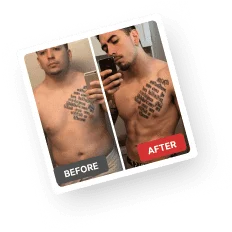
Only 3 Months since started
Jake, 34 y/o